
Your cart is currently empty!
Sale!



Description
Powerful Hardware
Achieving the energy-efficient and compact optical design, the MESA-50 features a high-performance Silicon Drift Detector (SDD) for more excellent sensitivity and performance comparable to conventional benchtop EDXRF analyzers. It works without the need of vacuum pump and reduces running costs.
Powerful X-ray generator: Up to 50 kV, 200 μA, 10 W with Pd target
Multiple Primary X-ray filters: Enhance S/N by cutting off background
Switchable multi-collimators: Selectable down to 1.2 mm up to 7 mm
Silicon drift detector: Achieve high performance without liquid nitrogen


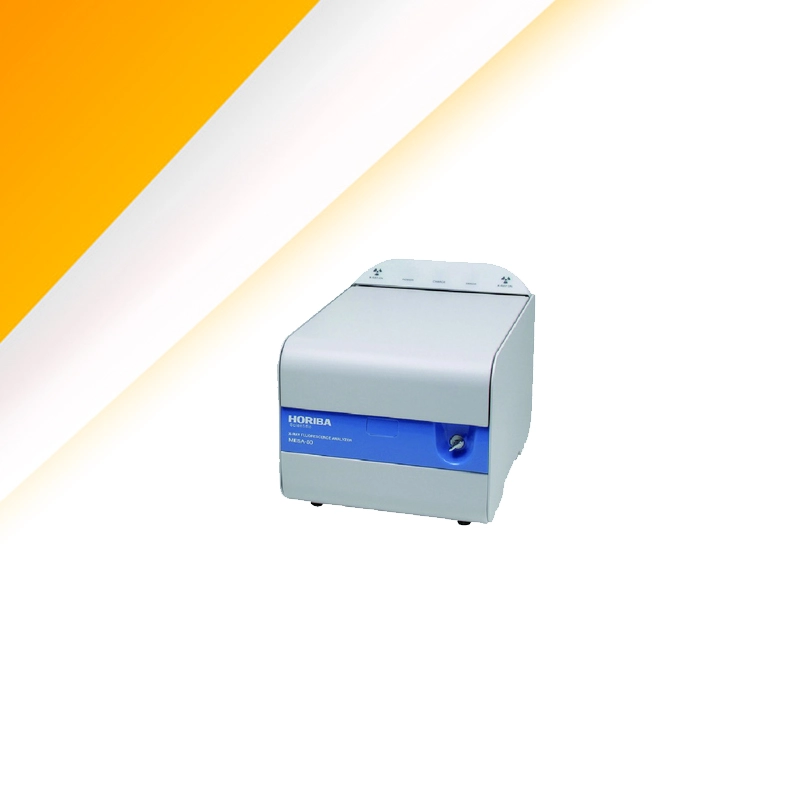
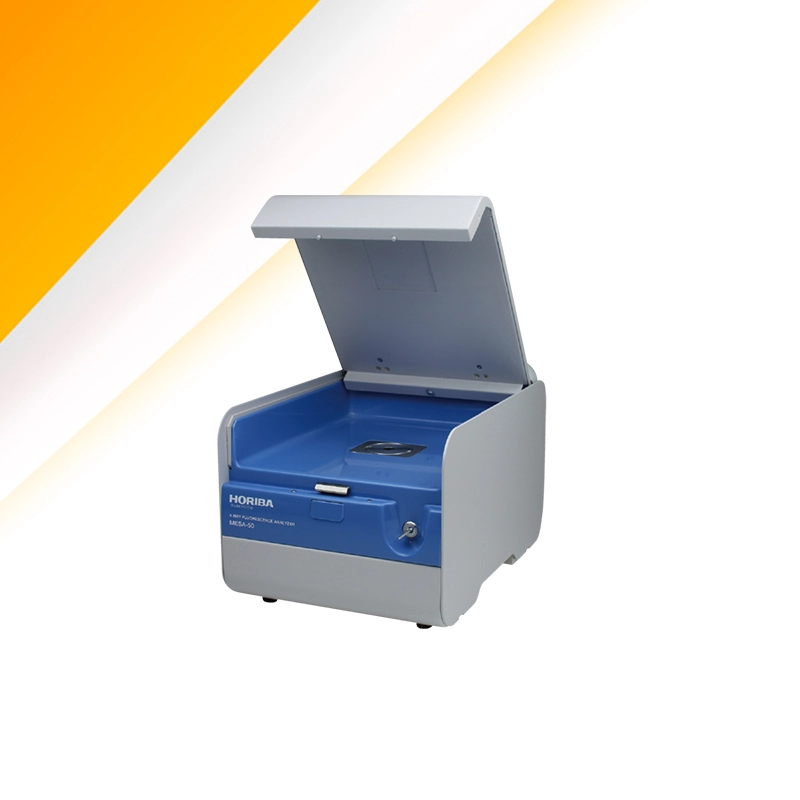
MESA-50 hardware (left) and the optic design diagram (right)
Simple Operation
Set the sample on the measurement window of MESA-50
Press “Measurement Start” button in the software
While the measurement, the red X-RAY ON lamp turns on
The measurement results are shown in the software
Report function: The result can be output in Microsoft Excel(R), Word(R) or PDF formats
We have a variety of sample cells available to choose from for your liquid samples. Please refer how to choose and assemble the sample cells for your reference.
Play Video
Optional Software Modules
RoHS module
The RoHS module allows user to perform RoHS screening analysis and halogen screening analysis by just one click a button. The module offers built in workflow which enables automatic sequential measurement without special skill and knowledge of user.
As/Sb module
The As/Sb module is an additional module to the RoHS module. The module can determine As and Sb concentration using the built in parameters. The module can export a report which include the result of As and Sb.
Multilayer FPM module
The multilayer FPM module is an optional software for thickness calculation. The software calculates the layer thickness of a multilayer sample using user defined layer modeling. It allows users to get layer thickness result even without standard samples.
*MESA-50 software can calculate thickness without the optional software module if it is based on calibration curve method.